
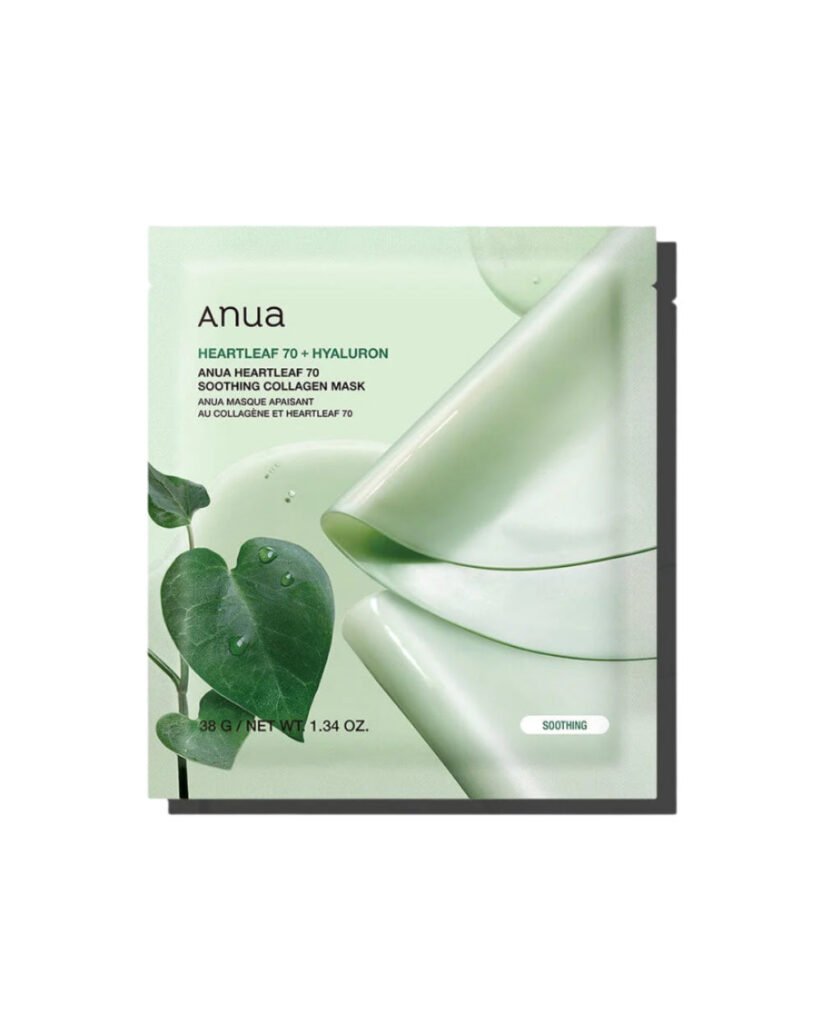
In the ever-evolving world of K-beauty, certain ingredients rise to prominence not just for their effectiveness, but for their rich heritage and proven results. Heartleaf, scientifically known as Houttuynia cordata, is one such ingredient that has captured the attention of skincare enthusiasts worldwide. This ancient Korean botanical is experiencing a modern renaissance, and here’s why it deserves a place in your skincare routine.
What is Heartleaf?
Heartleaf, or Houttuynia cordata, is a perennial plant native to East Asia. In Korea, it’s known as 어성초 (eoseongcho) and has been used in traditional medicine for centuries. The plant gets its English name from its distinctive heart-shaped leaves, though in some regions, it’s also called “fish mint” due to its unique aroma.
This humble plant has been a cornerstone of Korean herbal medicine, traditionally used to treat inflammation, infections, and various skin conditions. Today, modern science is validating what Korean healers have known for generations—heartleaf is a powerhouse ingredient for skin health.
From Ancient Medicine to Modern Skincare
Traditional Uses
In traditional Korean medicine, heartleaf was valued for its:
- Anti-inflammatory properties: Used to reduce swelling and calm irritated skin
- Detoxifying effects: Believed to help purify the body and skin
- Antibacterial action: Applied to wounds and skin infections
- Heat-clearing benefits: Used to soothe hot, inflamed conditions
Korean grandmothers would brew heartleaf tea for internal health benefits and create poultices for external skin issues. This holistic approach to wellness reflected the Korean philosophy of treating skin concerns from both inside and out.
Modern Scientific Validation
Contemporary research has confirmed many of heartleaf’s traditional uses, revealing the scientific mechanisms behind its effectiveness:
- Polyphenols and flavonoids: Powerful antioxidants that protect skin from environmental damage
- Quercitrin and quercetin: Anti-inflammatory compounds that calm reactive skin
- Chlorogenic acid: Helps regulate sebum production and fights acne-causing bacteria
- Essential oils: Natural antimicrobial properties that support skin barrier health
The Science: How Heartleaf Benefits Your Skin
1. Powerful Anti-Inflammatory Action
Heartleaf excels at calming inflammation, making it ideal for sensitive, reactive, or compromised skin. It works by inhibiting pro-inflammatory mediators, reducing redness, swelling, and discomfort. This makes it particularly valuable for conditions like rosacea, eczema, and general skin sensitivity.
2. Acne-Fighting Properties
The ingredient’s antibacterial and sebum-regulating properties make it excellent for acne-prone skin. Unlike harsh acne treatments that can strip and irritate, heartleaf addresses breakouts while maintaining skin balance. It helps:
- Reduce acne-causing bacteria
- Control excess oil production
- Minimize post-inflammatory hyperpigmentation
- Soothe inflamed breakouts
3. Antioxidant Protection
Rich in antioxidants, heartleaf helps neutralize free radicals from UV exposure, pollution, and stress. This protection is crucial for preventing premature aging and maintaining healthy, resilient skin.
4. Barrier Support
Heartleaf supports the skin’s natural barrier function, helping it retain moisture and defend against external aggressors. A healthy barrier is essential for all skin types, but especially important for sensitive or compromised skin.
5. Pore Care
The ingredient helps refine pores by regulating sebum production and providing gentle clarifying action without harsh stripping. This results in smoother, more refined-looking skin texture.
Who Should Use Heartleaf?
Heartleaf is remarkably versatile and beneficial for multiple skin types and concerns:
Ideal For:
- Sensitive skin: Gentle soothing action without irritation
- Acne-prone skin: Antibacterial and anti-inflammatory benefits
- Oily/combination skin: Helps regulate sebum production
- Reactive skin: Calms redness and irritation
- Compromised barriers: Supports healing and strengthening
- Environmental sensitivity: Protects against pollution and stress
Safe for Most Skin Types
Heartleaf is generally well-tolerated, even by those with very sensitive skin. Its gentle nature makes it suitable for daily use, and it rarely causes irritation or allergic reactions. However, as with any new ingredient, patch testing is always recommended.
Popular Heartleaf Products in K-Beauty
Korean skincare brands have embraced heartleaf, creating innovative formulations that maximize its benefits:
Toners & Essences
Heartleaf toners are among the most popular formats, offering hydration and soothing benefits. Many feature high concentrations (70-90%) of heartleaf extract for maximum efficacy.
Ampoules & Serums
Concentrated heartleaf serums provide intensive treatment for specific concerns like inflammation, acne, or sensitivity. These products often combine heartleaf with complementary soothing ingredients.
Cleansers
Heartleaf-infused cleansers offer gentle yet effective cleansing while calming and balancing the skin. They’re particularly popular for acne-prone and sensitive skin types.
Masks
Sheet masks and wash-off masks featuring heartleaf provide intensive soothing treatments, perfect for reactive skin episodes or post-procedure care.
Toner Pads
Pre-soaked toner pads infused with heartleaf extract offer convenience and consistent dosing, making them ideal for travel or quick morning routines.
How to Incorporate Heartleaf into Your Routine
Basic Routine:
- Cleanse with a heartleaf cleanser or your regular cleanser
- Apply heartleaf toner or essence to freshly cleansed skin
- Follow with your serums and treatments
- Moisturize to seal in benefits
- Protect with SPF during the day
Layering Tips:
- Heartleaf pairs beautifully with other soothing ingredients like centella asiatica and mugwort
- It can help buffer stronger actives like retinol or acids, reducing potential irritation
- Use morning and evening for consistent results
- For acute inflammation, apply heartleaf essence or ampoule before your usual toner
Special Uses:
- Spot treatment: Apply concentrated heartleaf serum directly to inflamed breakouts
- Calming mask: Use heartleaf sheet masks when skin is particularly reactive
- Post-procedure care: Soothe skin after professional treatments or over-exfoliation
- Summer routine: Perfect for calming sun-stressed skin (but not a replacement for SPF!)
Heartleaf vs. Other Soothing Ingredients
How does heartleaf compare to other popular calming ingredients?
Heartleaf vs. Centella Asiatica
While both are excellent soothing ingredients, heartleaf offers stronger sebum-regulating and antibacterial properties, making it superior for acne-prone skin. Centella excels more at wound healing and collagen production.
Heartleaf vs. Tea Tree Oil
Tea tree is more intensely antibacterial but can be drying and irritating. Heartleaf provides similar acne-fighting benefits while being significantly gentler and more hydrating.
Heartleaf vs. Niacinamide
Both regulate sebum and address inflammation, but heartleaf is generally better tolerated by very sensitive skin. They work beautifully together in the same routine.
What to Expect: Timeline and Results
Immediate (1-3 days):
- Reduced redness and irritation
- Calmer, more comfortable skin
- Less reactive response to triggers
Short-term (1-2 weeks):
- Improved skin texture
- Better oil-moisture balance
- Fewer new breakouts
- Enhanced clarity
Long-term (4-8 weeks):
- Significantly calmer overall skin
- Refined pores
- Stronger skin barrier
- More resilient, less reactive skin
- Improved overall skin health
The Future of Heartleaf in Skincare
As consumers increasingly seek gentle yet effective ingredients, heartleaf’s popularity continues to grow. Its appeal lies in the perfect intersection of traditional wisdom and modern science—a hallmark of K-beauty innovation.
Expect to see more heartleaf-based formulations, possibly combined with other traditional Korean botanicals like mugwort, ginseng, and rice. The trend toward clean, plant-based ingredients with proven efficacy ensures heartleaf will remain a skincare staple for years to come.
Final Thoughts
Heartleaf represents everything we love about K-beauty: respect for traditional knowledge, scientific validation, gentle effectiveness, and holistic skin health. Whether you’re dealing with sensitivity, acne, or simply want to maintain balanced, healthy skin, this ancient Korean ingredient offers modern solutions.
Its rise from traditional medicine to global skincare phenomenon isn’t just a trend—it’s a testament to the enduring wisdom of Korean beauty practices and the power of nature-backed science. If you haven’t yet experienced the soothing benefits of heartleaf, now is the perfect time to welcome this ancient ingredient into your modern routine.
Have you tried heartleaf products? What has your experience been? Share your thoughts in the comments below!
Disclaimer: This article is for informational purposes only and is not intended as medical advice. If you have specific skin conditions or concerns, consult with a dermatologist or healthcare provider.